
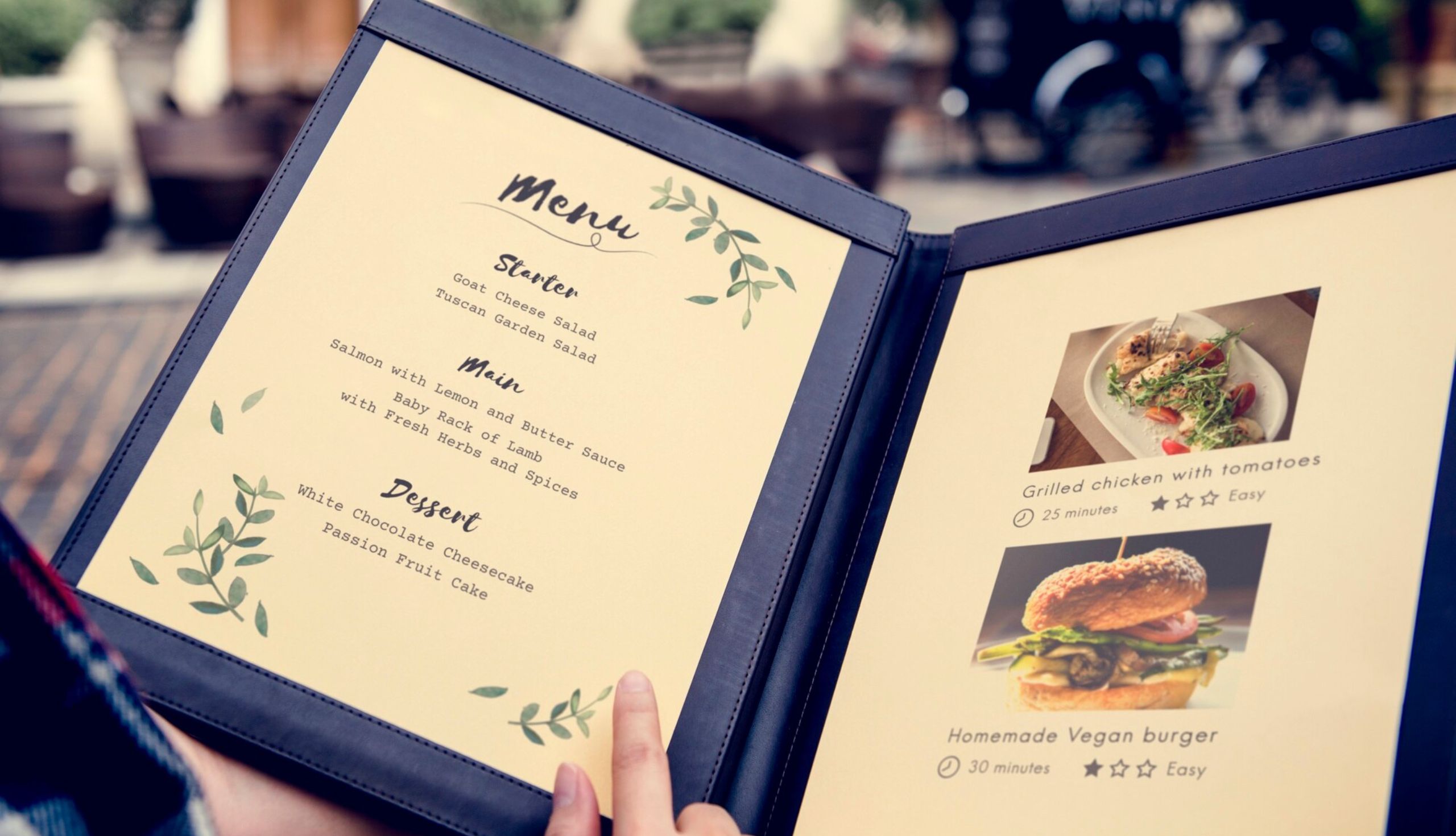
A menu card is more than just a list of dishes—it’s your restaurant’s first impression, sales pitch, and brand ambassador rolled into one. In 2025, menu card printing is no longer just about getting ink on paper. It’s about strategic design, tactile experience, and future-proofing your brand against wear, tear, and fleeting trends.
Whether you run a rustic café or a high-end fine-dining restaurant, your printed menu deserves the same attention as your plating. Let’s explore the top menu card printing trends of 2025, where design meets durability—and where form and function finally share the spotlight.
1. Waterproof and Spill-Proof Materials
Why it’s trending: Let’s face it—menus live a messy life. Between sauce splashes and clumsy customers, spills are inevitable. That’s why more eateries are turning to waterproof and spill-proof menus made from synthetic materials like polyester, PVC, or laminated stock.
What to look for:
- Synthetic paper that looks like traditional paper but resists water
- Lamination or encapsulation for extra protection
- Easy-to-wipe finishes that maintain hygiene standards
2. Eco-Friendly Menu Printing
Why it’s trending: Sustainability is no longer optional. Customers care about where their food comes from—and what it’s served on. In 2025, restaurants are embracing eco-conscious menu materials that align with their green values.
Top eco-friendly options:
- Recycled paper stock
- Soy-based or water-based inks
- Biodegradable lamination alternatives
- Tree-free papers made from sugarcane, hemp, or cotton waste
3. Menu Cards as Brand Storytellers
Why it’s trending: Diners want a story—something to connect with while they wait for their food. In 2025, menus are evolving into storytelling tools, showcasing the origins of ingredients, chef insights, and brand history.
How to do it:
- Dedicate a panel or back page to your brand story
- Use icons and mini-infographics to explain dishes or cooking methods
- Include QR codes that lead to behind-the-scenes videos or sourcing info
Printing Insight: This trend calls for high-quality print finishes like UV spot gloss, embossing, or textured paper to enhance tactile storytelling.
4. Bold Typography & Maximalist Layouts
Why it’s trending: Minimalism had its moment, but 2025 welcomes bold, expressive typography and maximalist layouts. Think vibrant colors, oversized dish names, and dynamic font pairings that create energy and excitement.
Design Elements to Explore:
- Contrasting font styles for headers and descriptions
- Layered type with graphic illustrations
- Color blocking to highlight bestsellers
Printing Tip: To make bold designs pop, opt for premium matte or silk finishes that retain color vibrancy and smoothness.
5. Multi-Format Menus for Different Occasions
Why it’s trending: Restaurants are offering more formats—dine-in, takeaway, tasting menus, seasonal specials—and each deserves a unique design and print treatment.
Trending formats:
- Foldable takeaway menus that fit into pockets or bags
- Slim inserts or flyers for daily specials
- Mini menus for drinks, desserts, or kids
Smart move: Print all menu types with a cohesive brand design, even if the materials vary. This builds consistency across the customer journey.
6. QR-Enhanced Printed Menus
Why it’s trending: While digital menus peaked during the pandemic, in 2025 we see a hybrid approach. Printed menus with QR codes offer the best of both worlds—tactile experience + digital convenience.
What to link your QR to:
- Full menu translations for tourists
- Video explanations of dishes
- Interactive allergy or diet filters
- Loyalty programs or feedback forms
7. Tear-Resistant Synthetic Menu Cards
Why it’s trending: Especially in high-traffic or family-friendly restaurants, menu cards suffer rough use. In 2025, more venues are switching to tear-proof synthetic menus that are built to last without compromising on design.
Top materials:
- Teslin paper
- YUPO synthetic sheets
- Polyester-based cards
Why it works: These materials are durable, waterproof, and recyclable—ideal for outdoor settings, kids’ menus, or beachside eateries.
8. Textured & Specialty Finishes
Why it’s trending: Touch matters. A textured menu card can elevate your restaurant’s perceived value. In 2025, we’re seeing more specialty textures and tactile print finishes like:
- Soft-touch lamination (velvety feel)
- Linen textures for a fabric-like surface
- Embossing or debossing for logos or dish categories
- Foil stamping for a touch of gold or silver luxe
Design Tip: Keep the layout clean when using textures—let the finish do the talking.
9. Compact Yet Informative Layouts
Why it’s trending: With shorter attention spans and crowded tables, compact menu designs are in. These pack a punch in a small footprint without overwhelming the customer.
Essentials of a great compact menu:
- Clear category sections
- Strategic use of icons and symbols
- Price clarity
- Highlighted top sellers or chef recommendations
Printing Insight: Tri-fold or bi-fold A4 menus are popular formats. For ultra-compact menus, consider a sturdy postcard-style menu with spot UV to highlight key items.
10. Localized & Culturally-Inspired Designs
Why it’s trending: Diners appreciate authenticity. Restaurants are customizing printed menus with regional design cues, local languages, and cultural motifs that reflect their cuisine and story.
Examples:
- Indian restaurants using mandala accents and earthy tones
- Japanese sushi bars with minimalist kanji typography
- Mexican eateries featuring vibrant papel picado-style borders
Printing Pro Tip: Choose printers who can handle multi-lingual typesetting and color-sensitive printing for ethnic designs.
Final Thoughts: Print Smart, Serve Bold
As trends shift toward more immersive, durable, and design-rich menu cards, your restaurant has the opportunity to stand out with a menu that’s as delicious to look at as your food is to eat.
In 2025, don’t just print a menu—print a brand experience with Victory Print Hub.